
A real story from The Lovable Dogs Club in Powder Springs, GA
When something changes in your dog’s health, it can be difficult to know whether you are seeing a minor issue or a sign of something that needs veterinary attention.
Sometimes, conditions can persist for months or even years before a clear answer is found.
That is part of what makes the story of Duchess, one of the dogs who has stayed with us at The Lovable Dogs Club, so important to share.
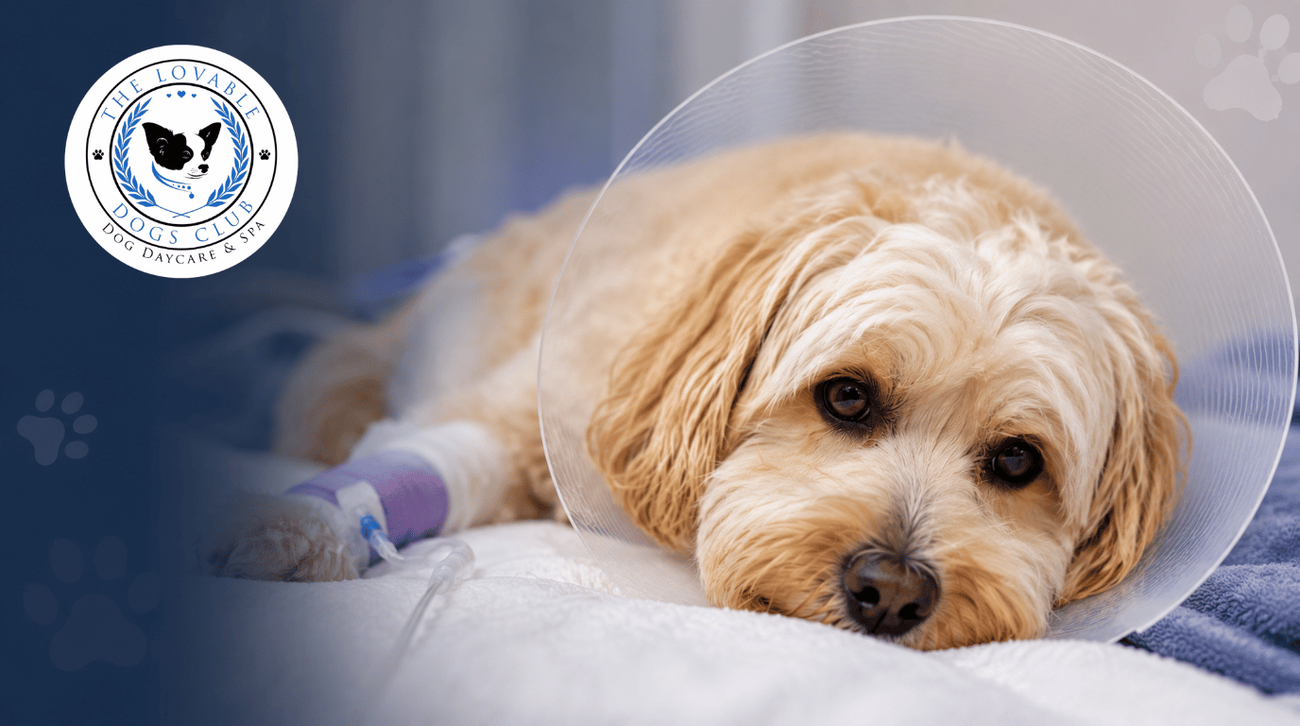
Duchess has been dealing with a polyp-related condition for approximately two years. Her mom has been working to understand what was happening and find the right solution. After making a veterinary appointment, Duchess is now in the process of receiving treatment and undergoing surgery to have the growth removed.
We will continue to keep her family and our Lovable Dogs community updated on her recovery.
Her story also brings up an important question:
What exactly are polyps in dogs, and when should pet parents be concerned?
What Are Polyps in Dogs?
A polyp is an abnormal growth of tissue that develops from a mucous membrane or other tissue in the body.
Polyps can occur in different areas of a dog’s body, so the signs and treatment can vary depending on where the polyp is located.
Some polyps may cause noticeable symptoms, while others may be difficult to detect without a veterinary examination.
This is why it is important not to assume that every unusual growth, swelling, discharge, or persistent symptom is simply a minor problem.
A veterinarian can determine what is actually happening and recommend the appropriate next steps.
What Symptoms Can Polyps Cause in Dogs?
Because polyps can develop in different parts of the body, there is no single list of symptoms that applies to every dog.
Depending on the location, a dog may experience things such as:
- Persistent irritation or inflammation
- Unusual discharge
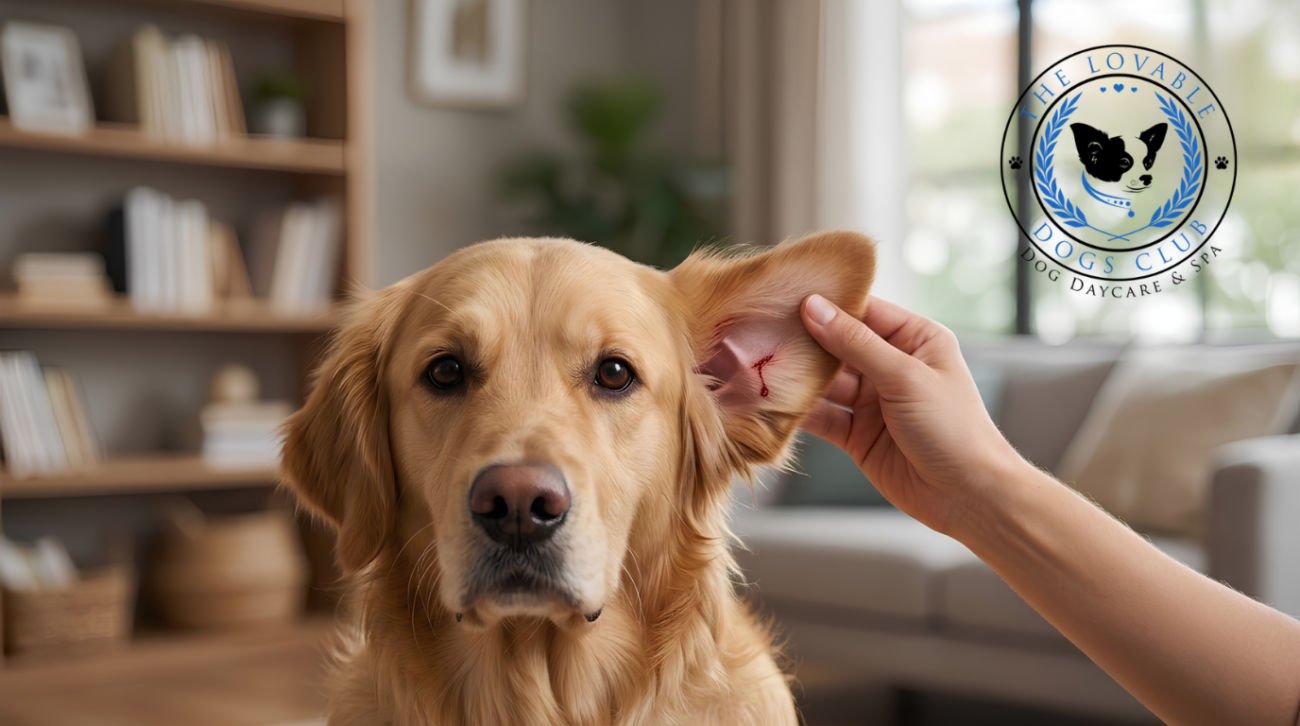
- Bleeding
- Difficulty breathing or noisy breathing
- Changes in eating or swallowing
- Repeated infections
- Changes in bathroom habits
- Licking, scratching, or discomfort
- A visible or palpable growth
- Other changes in normal behavior
Some of these symptoms can also be associated with many other health conditions.
That is why persistent or unusual symptoms should be evaluated by a veterinarian rather than diagnosed at home.
Why Can Polyps Go Undetected?
Dogs are incredibly good at hiding discomfort.
A dog may continue eating, playing, walking, and acting relatively normal even when something is bothering them.
Pet parents may also notice a symptom but not realize that it could be connected to a larger underlying issue.
In Duchess’s case, her mom has been trying to figure out her condition for a long time. Her experience is a reminder that when something doesn’t seem quite right, it is worth continuing to ask questions and seeking professional veterinary guidance.
Sometimes getting answers takes time.
How Are Dog Polyps Diagnosed?
If a veterinarian suspects a polyp or another type of abnormal growth, they may recommend different examinations or diagnostic tests depending on where the suspected growth is located.
These may include a physical examination, imaging, laboratory testing, or procedures that allow the veterinarian to examine the tissue more closely.
In some situations, removal may be recommended.
The appropriate treatment depends on factors such as the location, size, appearance, and characteristics of the growth, as well as the dog’s overall health.
Only a veterinarian can determine the appropriate diagnosis and treatment plan for an individual dog.
When Should You Call Your Veterinarian?
As a pet parent, you know your dog’s normal behavior better than anyone.
If you notice a change that persists, gets worse, or simply doesn’t seem right, it is a good idea to contact your veterinarian.
Pay particular attention to:
- New or unusual growths
- Persistent bleeding or discharge
- Ongoing irritation
- Changes in appetite
- Difficulty eating or swallowing
- Changes in breathing
- Sudden changes in energy or behavior
- Repeated infections
- Signs that your dog may be uncomfortable
You don’t have to wait until your dog appears seriously ill before asking questions.
Early veterinary attention can help identify problems and determine what needs to happen next.
Duchess’s Journey: What Happens Next?
Duchess is currently going through the process of receiving surgery to have her condition addressed.
For her family, this is an important step after dealing with the condition for an extended period of time.
For us at The Lovable Dogs Club, Duchess isn’t just another dog who comes through our doors. She is part of our Lovable Dogs family.
We know how much our clients love their dogs, and we understand how stressful it can be when your pup is facing a health concern.
We will continue to support Duchess and her family and share updates as we learn more about her recovery.
Go, Duchess! ❤️
We are rooting for you every step of the way.
What Pet Parents Can Learn From Duchess
Duchess’s story is ultimately a reminder to pay attention to your dog.
You see your dog every day. You know how they normally eat, sleep, play, walk, and interact with you.
When something changes, don’t ignore it simply because your dog is still acting happy.
And if you have already spoken with your veterinarian but still have unanswered questions, don’t be afraid to continue the conversation and ask what additional options may be available.
Your dog’s health is worth investigating.
Keeping an Eye on Your Dog Beyond the Vet Visit
Regular veterinary care is an important part of keeping your dog healthy, but everyday observation matters too.
At a trusted dog daycare and boarding facility, staff members may also notice changes in a dog’s usual behavior while they are playing, eating, resting, or interacting with other dogs.
That doesn’t replace veterinary care but noticing a change and communicating it with a pet parent can be an important part of responsible pet care.
At The Lovable Dogs Club in Powder Springs, GA, we care about more than keeping dogs entertained. We want our clients to feel confident knowing that their pups are being cared for, observed, and loved while they are with us.
A Reminder From The Lovable Dogs Club
Duchess’s story is still unfolding, and we are hopeful for a smooth surgery and recovery.
Her experience is also a reminder that our dogs depend on us to notice when something isn’t right.
Know your dog’s normal. Pay attention to changes. And when you have concerns, talk to your veterinarian.
We will be cheering Duchess on and keeping our Lovable Dogs community updated on her journey.
Stay strong, Duchess! 🐾❤️
🐶 Need trusted pet care services?
From safe dog boarding to personalized care, we’re here to support you and your furry family member.
👉 View Our Pet Care Services → https://thelovabledogsclub.com/our-services-2/
👉 Book a Service Now → https://pocketsuite.io/book/tayata-thomas/items
Thank you for supporting The Lovable Dogs Club—where every dog is family.