
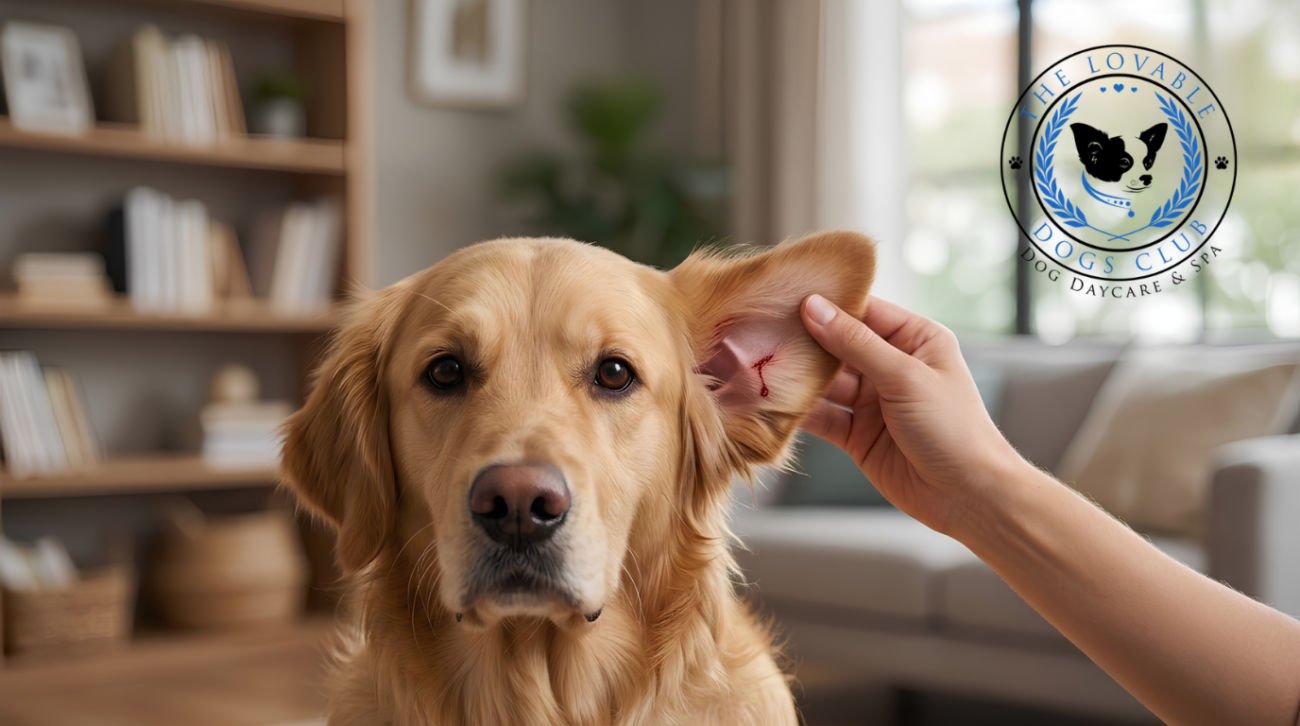
Seeing blood on your dog’s ear can be alarming, especially if it seems to happen out of nowhere. While some ear injuries are minor, others can signal an underlying health problem that needs veterinary attention. Here’s what every pet parent should know.
Common Reasons a Dog’s Ear May Suddenly Bleed
1. Excessive Scratching Dogs with itchy ears often scratch so hard that their nails break the skin.
This can happen due to:
• Ear infections Allergies
• Ear mites
• Dry or irritated skin
Even a small scratch can bleed more than expected because the ears have many tiny blood vessels.
2. Head Shaking If your dog is constantly shaking their head, they may accidentally split the edge of the ear (called the ear margin). Once the skin opens, every head shake can cause more bleeding and make it difficult for the wound to heal.
3. Ear Infections A bacterial or yeast ear infection can make your dog’s ears red, painful, itchy, and inflamed. As your dog scratches and shakes their head, bleeding may occur. Signs of an ear infection include:
• Bad odor
• Brown, yellow, or black discharge
• Redness
• Sensitivity when touched
• Frequent head shaking
4. Ear Hematoma A hematoma is a pocket of blood that forms between the skin and cartilage of the ear flap. It usually develops after repeated head shaking or scratching. The ear may appear swollen, puffy, and warm.
5. Cuts or Trauma Dogs can cut their ears while:
• Playing with other dogs
• Running through bushes or fences
• Getting caught on sharp objects
• Roughhousing
Because ears have a rich blood supply, even a small cut can produce significant bleeding.
6. Insect Bites or Allergic Reactions Bee stings, mosquito bites, or other insect bites can make a dog’s ears extremely itchy, leading to scratching and bleeding.
7. Injuries That Can Happen During Boarding While boarding is a safe and supervised environment, minor ear injuries can occasionally occur due to changes in routine or social interaction with other dogs.
These may include:
Play-related scratches from other dogs during group play or social time Increased excitement or stress, leading to more head shaking or scratching than usual
• Allergy flare-ups triggered by new environments, bedding, or cleaning products
• Minor rubbing or irritation from collars, play equipment, or crate surfaces
• Overgrooming behaviors caused by anxiety or adjustment to a new setting
At reputable boarding facilities, staff closely monitor dogs throughout the day, but even with supervision, small incidents can happen—especially in active or social dogs. Most of these issues are minor and are addressed quickly once noticed. What Should You Do? If your dog’s ear starts bleeding:
• Stay calm.
• Apply gentle pressure with a clean cloth or gauze for several minutes.
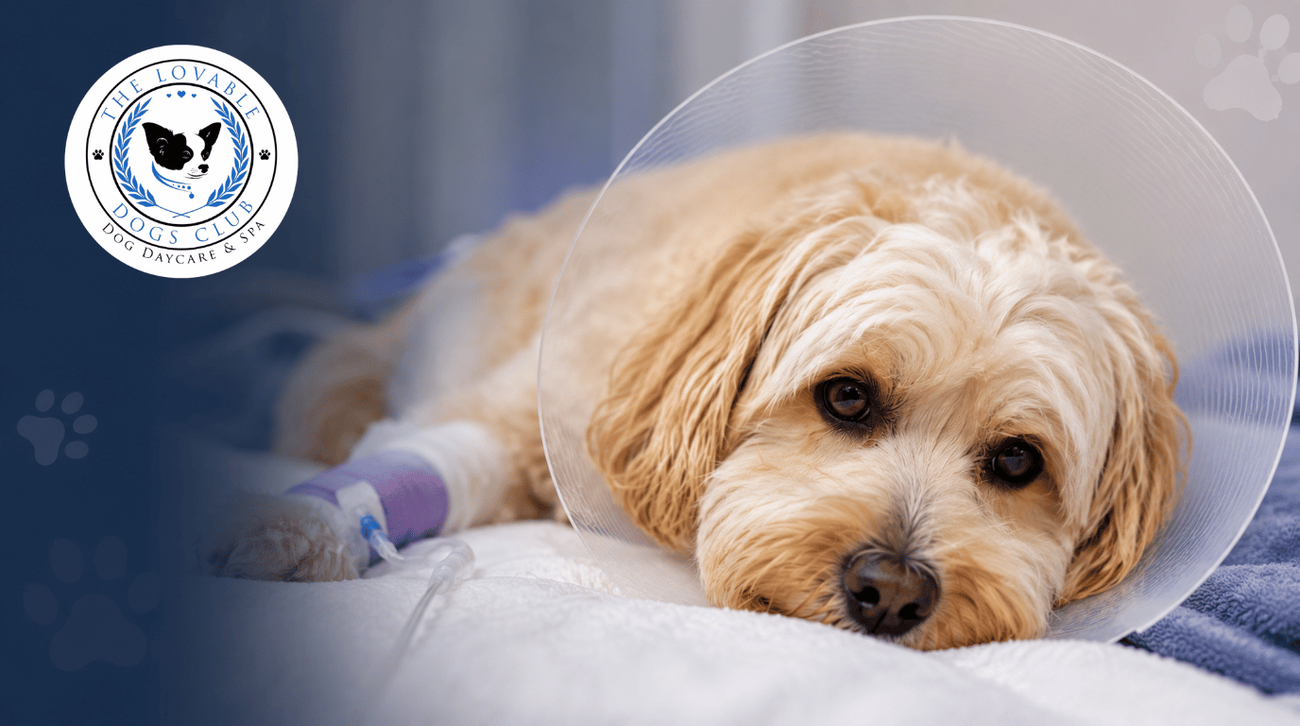
• Try to prevent your dog from shaking their head. An Elizabethan (cone) collar may help until they can be examined.
Avoid putting alcohol, hydrogen peroxide, or human medications inside the ear unless instructed by your veterinarian.
When Should You Call a Veterinarian? Seek veterinary care if:
• The bleeding won’t stop after several minutes of gentle pressure.
• Your dog seems to be in pain.
• The ear becomes swollen or develops a large lump.
• There is a foul odor or discharge.
• Your dog continues scratching or shaking their head.
• The bleeding keeps coming back.
Prevention Tips
• Check your dog’s ears weekly.
• Keep ears clean using veterinarian-approved ear cleaners.
• Dry the ears thoroughly after swimming or bathing.
• Trim your dog’s nails to reduce accidental scratching injuries.
• Address allergies or ear infections early before they become more serious.
Final Thoughts
A bleeding ear isn’t always an emergency, but it should never be ignored. Many cases are caused by itching, infections, allergies, or minor injuries that can worsen without treatment. The sooner the underlying cause is identified, the more comfortable your dog will be—and the faster they can heal.
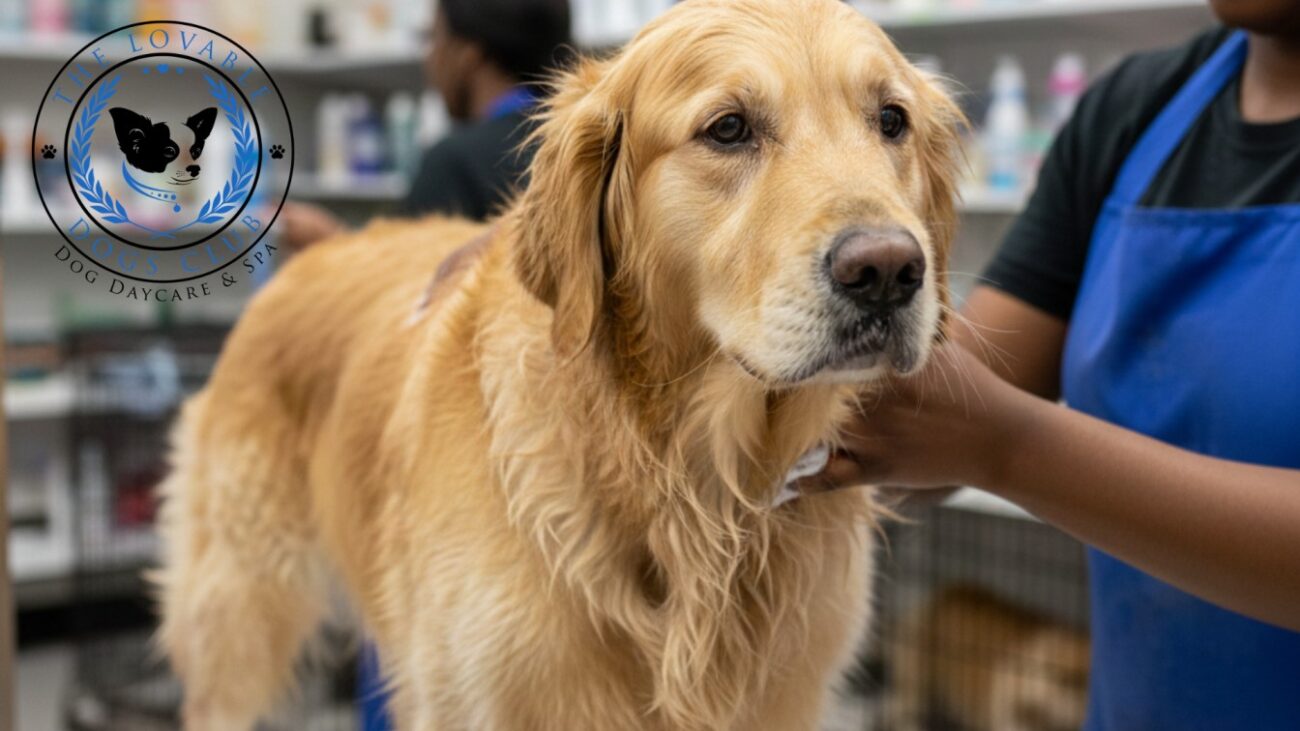
The Lovable Dogs Club Tip: During grooming or bath appointments, we carefully observe your dog’s ears for signs of redness, irritation, unusual odors, or discharge. If we notice anything concerning, we’ll let you know so you can follow up with your veterinarian. Early detection can make a big difference in your dog’s comfort and health.
🐶 Need trusted pet care services?
From safe dog boarding to personalized care, we’re here to support you and your furry family member.
👉 View Our Pet Care Services → https://thelovabledogsclub.com/our-services-2/
👉 Book a Service Now → https://pocketsuite.io/book/tayata-thomas/items
Thank you for supporting The Lovable Dogs Club—where every dog is family.